
Get Mortar Joint Sealing in St Louis, MO
Mortar joint sealing services help property owners in St. Louis, MO, fix cracked or deteriorated mortar in brick and masonry walls, preventing water damage and structural issues.
Mortar joint sealing is an important step in maintaining the integrity and appearance of masonry structures for property owners in the St. Louis, MO area. Properly sealed joints help prevent water infiltration, reduce the risk of damage from freeze-thaw cycles, and improve the overall durability of brick and stone exteriors. Whether planning a renovation project or seeking to preserve the longevity of a building, understanding the options available from local contractors can support informed decision-making.
For property owners exploring mortar joint sealing services, comparing local service providers can ensure access to experienced professionals familiar with the specific needs of buildings in the St. Louis region. By researching and connecting with qualified contractors, property owners can find solutions tailored to their property's requirements, helping to protect and enhance their investment over time. Keep reading to learn more about how local experts can assist with mortar joint sealing projects.
- Commercial Masonry Repairs - when brick or concrete joints in storefronts or office buildings need sealing to prevent water intrusion.
- Residential Home Exteriors - for homeowners in neighborhoods like Clayton or Ladue seeking to protect their brick and stone facades.
- Historical Building Restoration - during preservation projects that require careful sealing of mortar joints to maintain structural integrity.
- New Construction Projects - when sealing mortar joints in newly built homes or commercial spaces in areas like Chesterfield or Kirkwood.
- Damage Repair after Storms - following severe weather that causes cracks or deterioration in mortar joints on local properties.
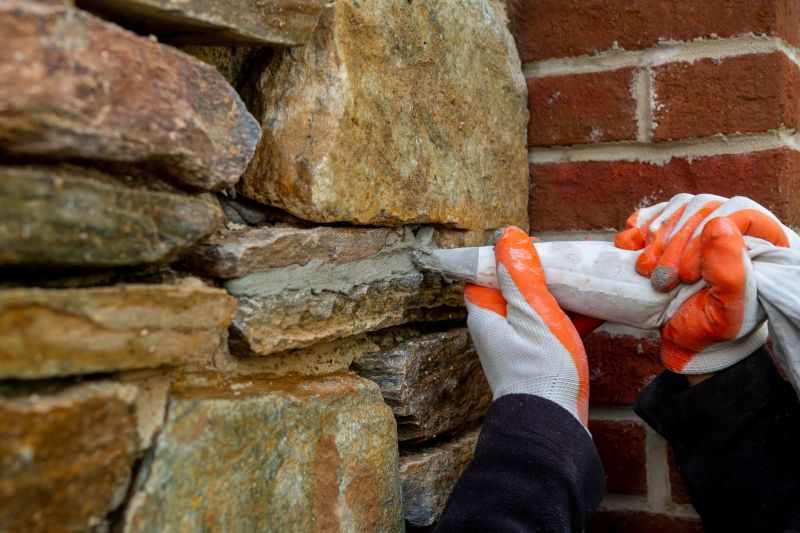
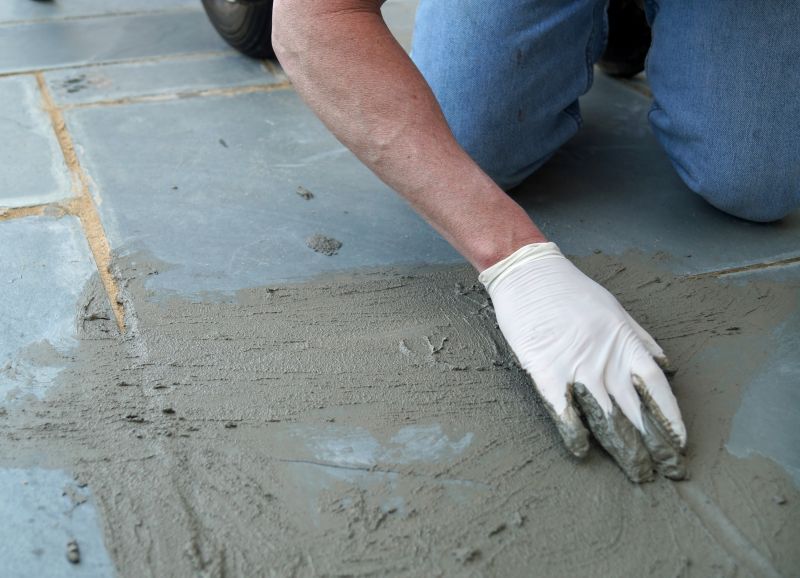
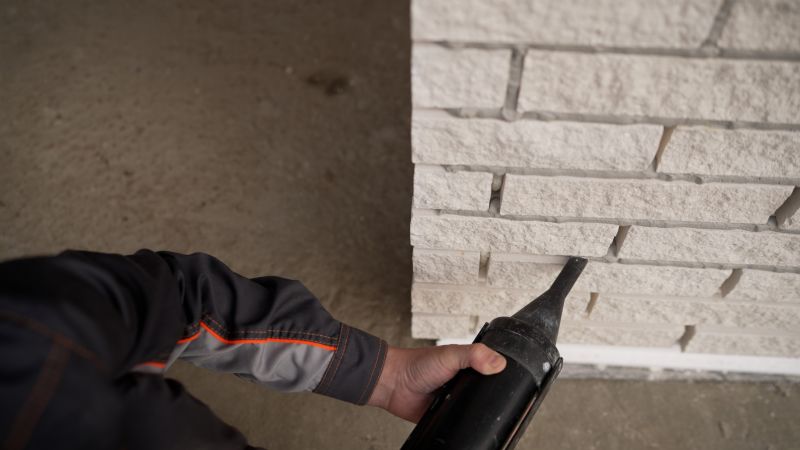
Mortar joint sealing services involve applying specialized sealants to the mortar lines between bricks or blocks in a structure’s exterior walls. This process helps create a protective barrier that prevents water, dirt, and pests from entering the wall cavity. Proper sealing not only enhances the appearance of a property by giving the joints a clean, finished look but also helps maintain the integrity of the masonry. Local contractors experienced in mortar joint sealing can assess the condition of existing joints and determine the most effective sealing methods to extend the lifespan of the masonry.
Sealing mortar joints is particularly beneficial in addressing common issues such as cracking, crumbling, or deteriorating mortar. Over time, exposure to weather elements like rain, snow, and temperature fluctuations can cause mortar to weaken, leading to gaps and leaks. These problems can result in water infiltration that damages the underlying structure, promotes mold growth, or causes bricks to shift. By sealing these joints, homeowners can reduce the risk of water-related damage and preserve the stability of their walls, especially in climates with significant seasonal changes.
This service is often used on a variety of property types, including residential homes, multi-family buildings, and commercial structures. Homes with brick or block exteriors, especially older properties, frequently benefit from mortar joint sealing as part of routine maintenance or repairs. Additionally, properties in areas prone to heavy rainfall or freeze-thaw cycles find this service valuable for protecting their walls from water infiltration. Whether a property is a single-family house or a larger apartment complex, local service providers can tailor mortar sealing solutions to meet specific needs and ensure long-lasting results.
Homeowners should consider mortar joint sealing if they notice signs of deterioration such as visible cracks, crumbling mortar, or water stains on interior walls near exterior masonry. It can also be a proactive step to prevent future problems, especially after repairs or renovations. Properly sealed mortar joints not only improve the durability of the structure but also contribute to better energy efficiency by reducing drafts and air leaks. Contacting experienced local contractors for mortar joint sealing can help ensure that masonry remains solid, weather-resistant, and visually appealing for years to come.
The overview below groups typical Mortar Joint Sealing projects into broad ranges so you can see how smaller, mid-sized, and larger jobs often compare in St Louis, MO.
In many markets, a large share of routine jobs stays in the lower and middle ranges, while only a smaller percentage of projects moves into the highest bands when the work is more complex or site conditions are harder than average.
Smaller Repairs - For minor cracks and small gaps, local pros typically charge between $250 and $600. Many routine sealing jobs fall within this range, especially for single-story homes or limited areas.
Medium-Sized Projects - Larger sealing tasks, such as multiple walls or sections of a building, often cost between $600 and $1,500. These projects are common for homeowners seeking to address extensive mortar joint issues.
Full Repointing or Re-Sealing - Complete sealing or repointing of a brick facade can range from $1,500 to $3,500, depending on the size and complexity of the structure. Fewer projects reach into this higher tier, typically involving larger or older buildings.
Complete Replacement of Mortar Joints - When mortar joints require full removal and replacement, costs can exceed $5,000 for large or intricate projects. Such jobs are less frequent and usually involve extensive or historic masonry work.
Actual totals will depend on details like access to the work area, the scope of the project, and the materials selected, so use these as general starting points rather than exact figures.
Brick Repair and Restoration - local contractors skilled in brickwork often perform sealing and repointing to maintain masonry integrity, similar to mortar joint sealing.
Foundation Crack Repair - professionals experienced with foundation issues utilize sealing techniques to prevent water intrusion, sharing skills with mortar joint sealing projects.
Chimney Repointing - chimney repair specialists often reseal mortar joints to ensure stability, making their expertise relevant to sealing exterior masonry joints.
Exterior Wall Waterproofing - service providers applying waterproof coatings work on sealing surfaces, paralleling the skills needed for mortar joint sealing on masonry structures.
Concrete Joint Sealing - contractors sealing expansion and control joints in concrete surfaces use similar tools and planning as those used in mortar joint sealing.
Cement and Masonry Restoration - local pros restoring aged masonry surfaces often include joint sealing as part of their work to protect against water damage and deterioration.
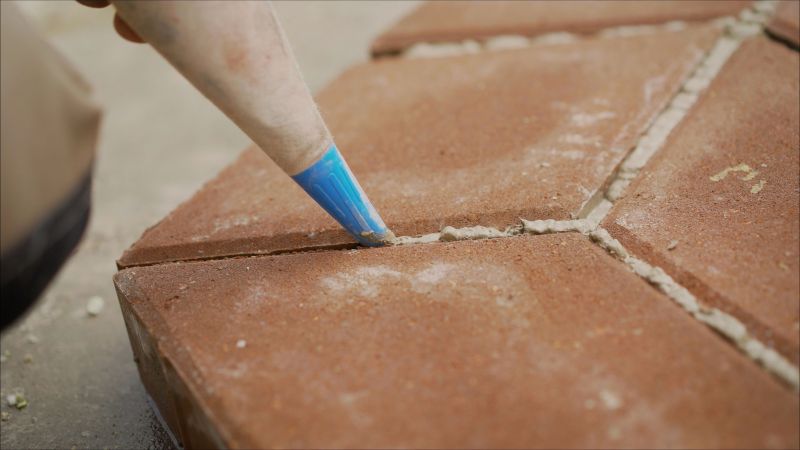
When evaluating contractors for mortar joint sealing projects, it’s important to consider their experience with similar types of work. Homeowners should seek out service providers who have a proven track record of handling projects comparable in scope and complexity. This can help ensure that the contractor understands the specific challenges associated with sealing mortar joints on buildings like yours, leading to a more effective and durable result. Asking for details about past projects or viewing portfolios can provide insight into their familiarity with the work and their ability to deliver quality outcomes.
Clear, written expectations are essential for a successful project. Homeowners should communicate their goals and requirements clearly when discussing potential service providers. A reputable contractor will provide a detailed scope of work, outlining what will be done, the materials used, and any necessary preparations or follow-up. Having these expectations documented helps prevent misunderstandings and ensures everyone is on the same page before work begins. This clarity can also serve as a reference point if questions or issues arise during the process.
Reputable references and good communication are key indicators of a reliable local contractor. Homeowners are encouraged to ask for references from previous clients who had similar work completed. Speaking with past customers can reveal insights into the contractor’s professionalism, reliability, and quality of work. Additionally, effective communication-such as prompt responses, transparency about processes, and willingness to address concerns-can make the entire experience smoother. Remember, the site is designed to connect homeowners with qualified local service providers, not to perform the work directly, so taking the time to assess these factors can help ensure a positive outcome for your mortar joint sealing project.
Property owners in St Louis, MO use Mortar Joint Sealing services for practical projects around their homes and businesses. This guide focuses on everyday jobs and straightforward project options.
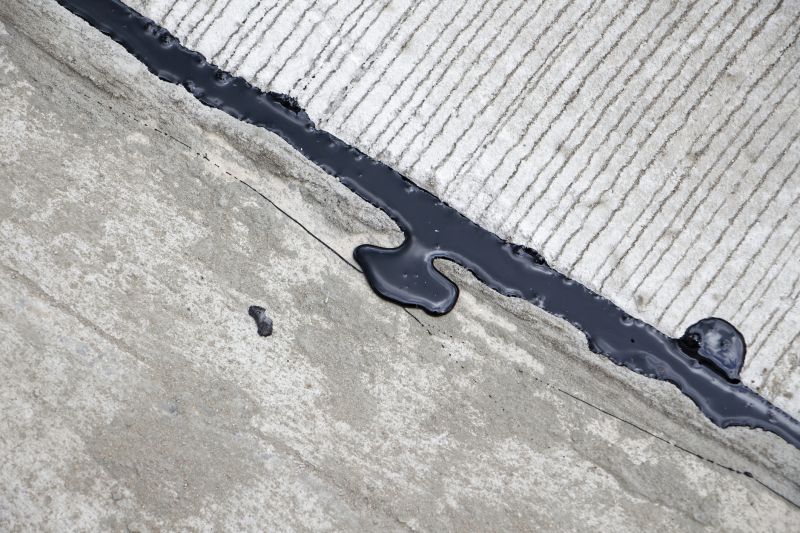
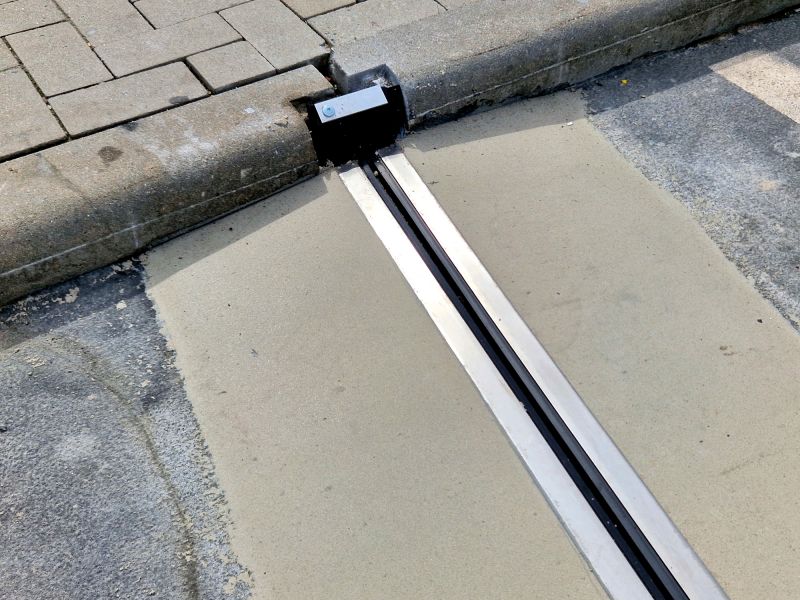
Mortar joint sealing is a common service that property owners in St. Louis, MO might seek when they notice cracks or deterioration in the mortar between bricks or stones on their building exterior. Over time, exposure to weather changes, temperature fluctuations, and moisture can cause joints to weaken, leading to potential water infiltration and structural issues. Local contractors who specialize in mortar sealing can help prevent further damage by restoring the integrity of the masonry, keeping buildings protected and looking well-maintained.
Homeowners and business owners in the area may also consider mortar joint sealing after noticing signs of mortar erosion or crumbling during routine inspections or after severe weather events. Properly sealed joints can improve the overall appearance of a building, while also reducing the risk of water leaks that could cause interior damage or mold growth. Service providers experienced in this work can evaluate the condition of the mortar and recommend appropriate sealing solutions to help preserve the value and safety of properties in St. Louis.
What is mortar joint sealing? Mortar joint sealing involves applying a protective material to the mortar lines between bricks or stones to prevent water infiltration and improve the structure's durability.
Why should I consider mortar joint sealing? Sealing mortar joints helps prevent water damage, reduces the risk of cracks, and extends the lifespan of masonry walls in residential and commercial properties.
How do local contractors perform mortar joint sealing? Experienced service providers typically clean the joints, remove damaged mortar, and apply a suitable sealant to ensure a weather-resistant barrier.
Can mortar joint sealing improve the appearance of my masonry? Yes, sealing can enhance the look by providing a cleaner, more uniform appearance and protecting the surface from staining and deterioration.
Is mortar joint sealing suitable for all types of masonry? Mortar joint sealing is generally appropriate for most brick, stone, or concrete block structures, but a local contractor can assess specific needs and recommend the best approach.
Preventing Water Damage - Sealing mortar joints can help keep moisture out of basement walls and foundation areas, reducing the risk of leaks during heavy rains.
Maintaining Structural Integrity - Proper mortar joint sealing can protect brick and masonry structures from cracking and deterioration over time.
Enhancing Curb Appeal - Freshly sealed mortar joints can improve the appearance of a home's exterior by providing a clean, finished look.
Preparing for Weather Changes - Sealing mortar joints ahead of seasonal shifts can help defend against freeze-thaw damage common in the St. Louis area.
If you are thinking about Mortar Joint Sealing for a property in St Louis, MO, this guide is meant to help you understand the work, the typical project types, and how different options might fit your plans.
When you are ready, you can use the quote form on this page to share a few details about your project. From there, local pros can review the basics and respond with options that match what you have in mind.